
The Allure of Risk and Reward
The psychology behind casino gaming behavior often begins with the enticing allure of risk and reward. Gamblers are drawn to the thrill of potentially winning significant sums of money, which can trigger a release of dopamine in the brain, the neurotransmitter associated with pleasure. This pleasurable sensation can create a powerful urge to continue playing, as players seek to replicate the high they experienced when they won. Thus, the prospect of striking it rich becomes a compelling motivator, often overshadowing the risks of losing money. Additionally, for those interested in safer options, betting sites not on gamstop uk may present alternative choices that mitigate some of these risks.
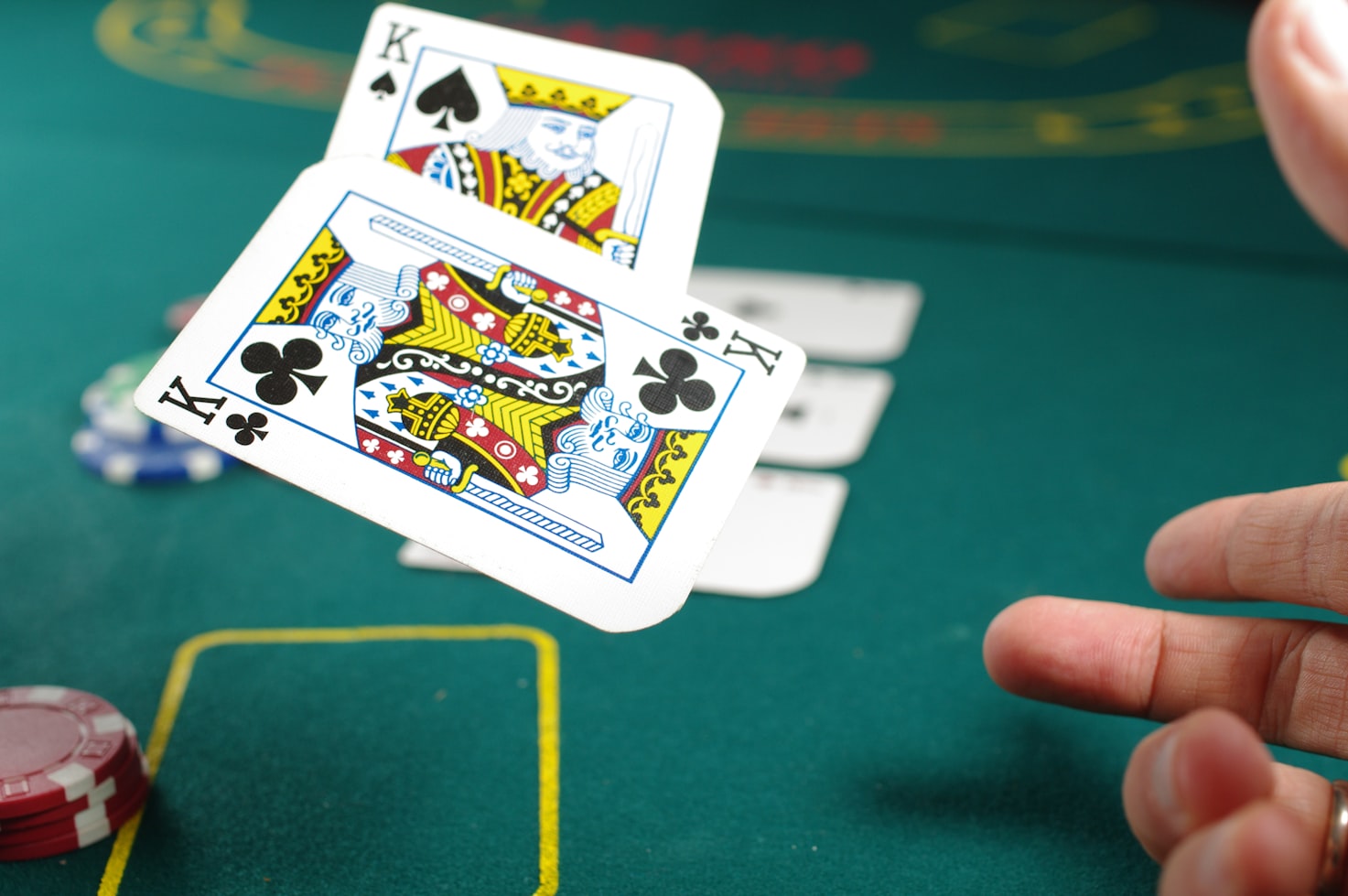
Moreover, this risk-reward dynamic is further amplified by the concept of near-misses, where players come close to winning but ultimately don’t. Research indicates that near-misses can intensify the desire to play, as they foster a sense of hope and encourage players to believe that victory is within their grasp. This phenomenon is a critical factor that contributes to ongoing gaming behavior, as individuals may rationalize their continued participation despite not achieving a win.
The Impact of Environment on Gaming Behavior
The casino environment plays a significant role in shaping gaming behavior. Bright lights, vivid colors, and the sounds of rolling dice or spinning wheels create a sensory overload that stimulates excitement and engagement. This carefully designed atmosphere is intended to enhance the emotional experience of players, making them more likely to stay and play longer. The ambiance of a casino can influence decision-making, pushing individuals to spend more money than they originally intended.
Further, the layout of a casino is strategically organized to maximize player engagement. Slot machines, card tables, and other games are often positioned to encourage social interaction among players. This communal experience can create a sense of belonging and camaraderie, making individuals feel more inclined to gamble. The interplay between social factors and environmental design highlights how the casino’s atmosphere can affect gaming behavior and perpetuate gambling tendencies.
Cognitive Biases and Gambling Decisions
Cognitive biases significantly influence gambling decisions, impacting how players interpret outcomes and risks. One notable bias is the illusion of control, where individuals believe they can influence the outcome of random events, such as dice rolls or card draws. This misconception can lead to overconfidence, causing players to make riskier bets or play longer than they otherwise would. The allure of feeling in control can contribute to a cycle of repeated gambling behavior.
Another common cognitive bias in gambling is the gambler’s fallacy, where players believe that past outcomes affect future results. For instance, if a player observes a series of losses, they may incorrectly conclude that their chances of winning are increasing. This line of thinking can perpetuate gambling behavior, as individuals become trapped in a cycle of chasing losses and hoping for a turnaround that may never come.
The Role of Emotions in Gambling Behavior
Emotions play a crucial role in gambling behavior, influencing decisions and the overall gaming experience. For many, gambling serves as an emotional escape, providing a temporary relief from stress or anxiety. This emotional connection can lead to a compulsive need to gamble, as individuals seek to replicate the feelings of excitement and joy that gaming evokes. The emotional highs and lows experienced in casinos can create a rollercoaster effect, drawing players in and keeping them engaged.
Additionally, the emotional aftermath of gambling can lead to significant consequences. Losses may result in feelings of guilt, shame, or despair, causing players to return to gambling in an attempt to regain their lost money or alleviate negative emotions. This cycle of using gambling as a coping mechanism highlights the complex relationship between emotions and behavioral patterns in casino gaming.

Understanding responsible gaming and seeking help
As the psychological aspects of casino gaming behavior unfold, it’s essential to address the concept of responsible gaming. Awareness and education about the psychological triggers behind gambling can empower players to make informed decisions. Recognizing the signs of problematic gambling behavior and seeking help can lead to healthier gaming practices and a more enjoyable experience.
The role of organizations and online resources in promoting responsible gaming cannot be overstated. Websites dedicated to educating players about the risks of gambling, offering support, and sharing resources for those seeking help play a vital role in fostering a safer gambling environment. By understanding the psychology behind casino gaming, individuals can better navigate their gaming experiences and maintain control over their behaviors.